
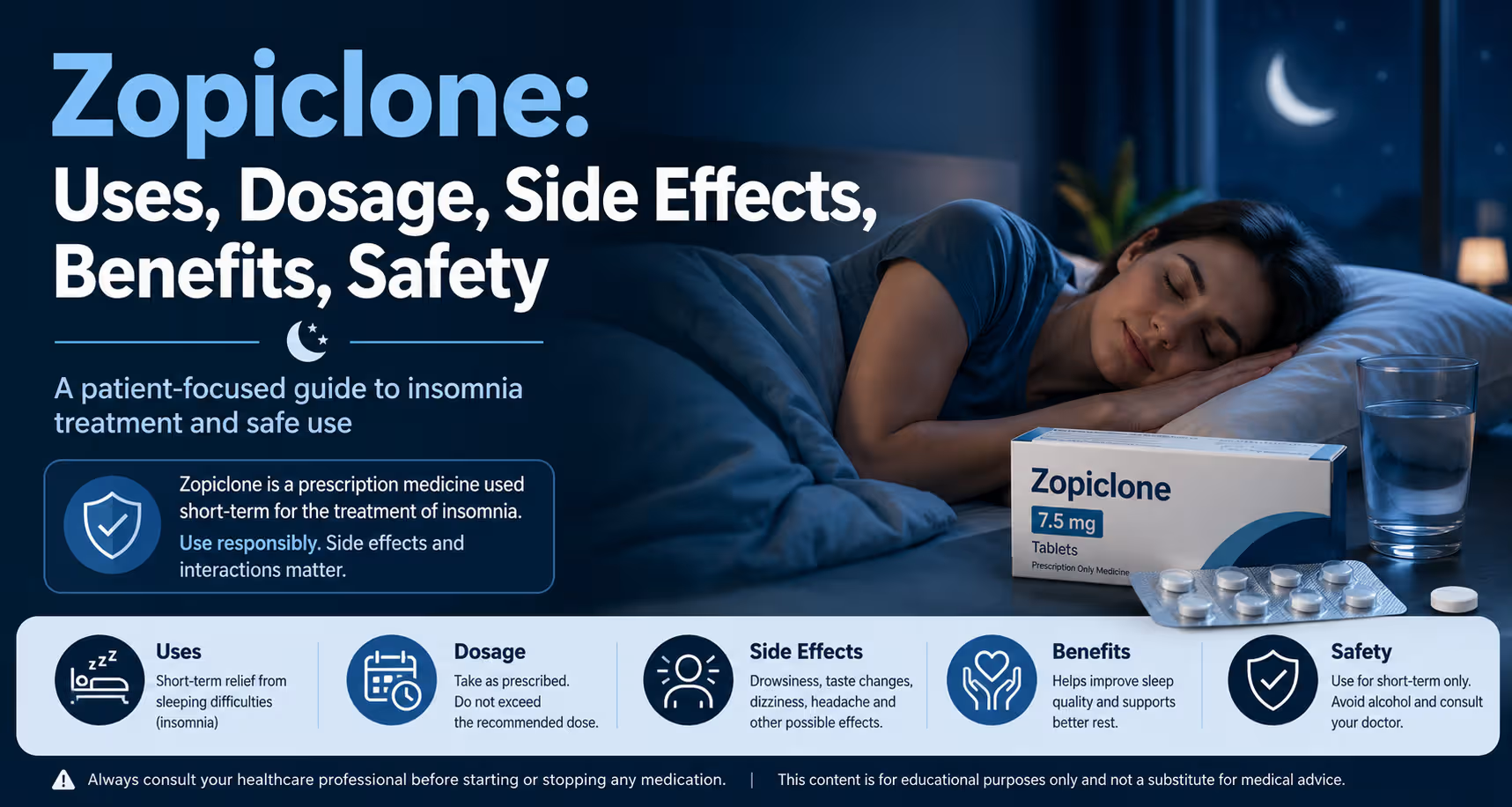
Zopiclone is a prescribed sleeping medicine used to treat short-term insomnia. It helps people who have difficulty falling asleep, wake repeatedly during the night, or wake earlier than intended. Zopiclone works as a hypnotic medicine and reduces the time required to fall asleep and supports the settled period of sleep. This is intended for short-term use because continued treatment can lead to tolerance, addiction, and dependence.
What Is Zopiclone?
Zopiclone is a prescription medication that belongs to the hypnotic group of medicines. It is described as a Z-drug, a group of medicines used to treat sleeping problems. It acts on calming chemical signals in the brain and promotes sleep. This is prescribed when insomnia is affecting daily life and other approaches have not given sufficient relief. It may be considered for problems such as repeated waking, falling asleep during the night, or waking too early. It may not address every underlying cause of poor sleep.
This is why healthcare professionals assess factors such as stress, other medicines, mental health conditions, medical conditions, or lifestyle factors before recommending zopiclone for insomnia treatment. Learn more about what zopiclone is, how it works, its uses, dosage considerations, benefits, side effects, precautions, interactions, and safety instructions.
How Does Zopiclone Work?
Zopiclone regulates neurotransmitter activity and relaxes the nervous system. It increases inhibitory signalling and produces sedative effects, making it easier to fall and stay asleep. It does not work exactly like other sleeping pills, but it may cause sleepiness, decreased alertness, and muscle relaxation. Zopiclone is typically taken just before going to bed because it produces sedative effects quickly. It may begin working within 30 to 60 minutes. Understanding how zopiclone works in the brain and its mechanism of action is critical before beginning to use it.
What Is Zopiclone Used For?
Zopiclone is used for short-term insomnia when sleep difficulties are severe or disruptive. It may be prescribed for different patterns of insomnia, including:
- Difficulty falling asleep
- Waking too early
- Waking repeatedly during the night
- Severe sleep disturbance that may affect daytime functioning
- Sleep problems with certain underlying conditions, where clinicians consider hypnotics appropriate
It improves sleep for a limited period, while underlying causes of insomnia should be assessed or addressed. Assuming zopiclone as a permanent solution does not work for chronic sleep difficulties. Long-term insomnia may necessitate an evaluation of sleep habits, physical and mental health conditions, and other factors. Learn how long zopiclone takes to work and what factors can influence its onset.
Zopiclone Dosage: General Information
Zopiclone dosage should always be determined by a healthcare doctor. Doctors prescribe medicine to patients on the basis of their age, health conditions, and other medications being taken. The prescribed zopiclone dosages are
- Adults start at the lowest effective dose for a short period, usually no more than 2 to 4 weeks, including the tapering period.
- Older people with kidney or liver impairment are prescribed the lower starting dose because these groups are more sensitive to the drug’s effects.
- You can take this medicine immediately before bedtime, on an empty stomach or after a light meal, because food delays absorption.
- Don’t increase the dose yourself beyond the doctor’s prescription. Don’t combine the medicine with alcohol or other sedatives without medical guidance.

Potential Benefits of Zopiclone
Zopiclone provides you with short-term relief from insomnia. Its potential benefits include the following:
- Reduce the time needed to fall asleep
- Support sleep continuity
- Reduce repeated waking during the night
- Helps individuals get more consistent sleep during a short treatment period
- By improving your sleep, it may enhance your daytime functioning and productivity
Note that zopiclone may not be suitable for everyone and does not provide the same benefits to all. Potential benefits should be considered along with the side effects such as dependence, drowsiness, tolerance, interactions, and other adverse effects.
Zopiclone Side Effects
Zopiclone can cause side effects like all other medicines. Its common effects include a metallic or bitter taste, dry mouth, feeling tired, sleepy, dizzy, and less attentive the following day. The possible side effects include:
- Dizziness
- Headache
- Reduced concentration
- Memory problems
- Reduced coordination
- Fatigue or next-day drowsiness
- Unusual behaviour while not fully awake
Some side effects, such as allergic reactions, difficulty breathing, hallucinations, severe confusion, or thoughts of self-harm, are severe and need immediate medical attention. Zopiclone is associated with unusual sleep-related behaviours, including sleepwalking and activities performed when you are awake. Read more detailed information about the side effects of zopiclone.
Is Zopiclone a sleeping pill?
Yes, zopiclone is classified as a sedative-hypnotic medicine and a sleeping pill. Many people ask whether zopiclone is the same as older sleeping medications like benzodiazepines and how it differs from other sleeping pills.

Even though zopiclone shares some similarities with benzodiazepines in how it affects brain functioning, it is generally prescribed for short periods. It may also carry some risks around tolerance and dependence if you use it beyond the recommended duration.
Learn what zopiclone is a sleeping pill, and how it compares with different sleep medicines and how it works in our guide.
Safety, Risks & Who Should Avoid
Zopiclone is not suitable for everyone. It should be avoided or used with extra caution in
- Breastfeeding or pregnant individuals
- People with a history of substance misuse or dependence
- People with severe liver disease, respiratory conditions, or myasthenia gravis
- People taking other sedating medicines, alcohol, or opioids regularly
Dependence and withdrawal
Zopiclone acts on similar brain pathways to benzodiazepines. However, it poses the risks of tolerance and physical dependence, especially with use beyond a few weeks. Stopping suddenly after regular use causes withdrawal symptoms such as rebound insomnia, anxiety, or irritability. So, don’t change the dose or stop medication suddenly, and always take it under a doctor’s guidance.
Zopiclone Interactions
Zopiclone interacts with other medications and substances that affect the central nervous system. Tell your doctor about all medicines, over-the-counter medicines, herbal products, and supplements you are taking.
Take particular caution with medicines that cause sedation, including other sleeping pills. If you are using sedating antihistamines and some pain medicines for anxiety or a mental health condition, then you should talk to your doctor.
Be cautious while using the combination of zopiclone and opioids, because it may increase sedation and the risks of breathing difficulties, death, and coma. Using these combinations requires the doctor’s supervision to prevent adverse side effects.
How Long Does Zopiclone Stay in Your System?
The time when zopiclone stays in your body may vary between individuals. It also varies according to factors like a person’s age, kidney and liver function, dose, metabolism, and other medicines. These factors affect how the medicine is processed and stays in your system. Its effects may persist after the main sleep period. This is one of the reasons for next-day drowsiness and impaired alertness, and it requires safety practices.
Understand how long zopiclone stays in your system to understand the factors that can affect its clearance.
How Long Can Zopiclone Be Taken?
Zopiclone is used for short-term treatment. The treatment may take a few days to weeks and is limited to four weeks because the body can become accustomed to the medicine. Its repeated or longer use should only occur under medical supervision. If someone has been taking regularly, they should not stop it suddenly without speaking to the prescriber because withdrawal symptoms may occur.
Zopiclone vs. Other Sleep Aids
People often prefer to take zopiclone pills after other approaches have not worked, but it is important to understand how it fits with other options. Here is the
| Sleep Aid | Main Use | How It Works | Dependence Risk | Common Consideration |
| Zopiclone | Short-term insomnia | Enhances the calming signals in the brain | Can cause tolerance and dependence | May cause next-day drowsiness and impaired alertness |
| Benzodiazepines | Insomnia and, depending on the medicine, anxiety | Enhances GABA activity in the brain | Higher risk with prolonged use | Can cause sedation, tolerance, and withdrawal symptoms |
| Melatonin | Sleep-wake timing problems | Helps regulate the sleep-wake cycle | Generally low | Effectiveness and availability vary by individual and country. |
| Antihistamine sleep aids | Occasional sleep difficulties | Block histamine and cause drowsiness. | Lower than ZOPS, but tolerance may develop | Cause next-day drowsiness and other antihistamine-related effects |
Conclusion
Zopiclone is a prescription hypnotic medicine that can provide short-term relief from significant insomnia. Understanding its uses, dosage instructions, expected effects, side effects, interactions, and dependence risks is important before treatment. It should be used exactly as prescribed, with alcohol and other sedating substances avoided where advised. If sleep problems continue or treatment needs to be extended, speak with a qualified healthcare professional about the underlying cause and appropriate next steps.
Source URL:
https://www.nhs.uk/medicines/zopiclone/
https://www.1mg.com/generics/zopiclone-210945
https://pubchem.ncbi.nlm.nih.gov/compound/Zopiclone
https://www.safetyandquality.gov.au/medicine-finder/zopiclone-gh
https://www.medicines.org.uk/emc/product/10590/pil
Last Reviewed: 27th August 2026
Next Review Due: August 2027