
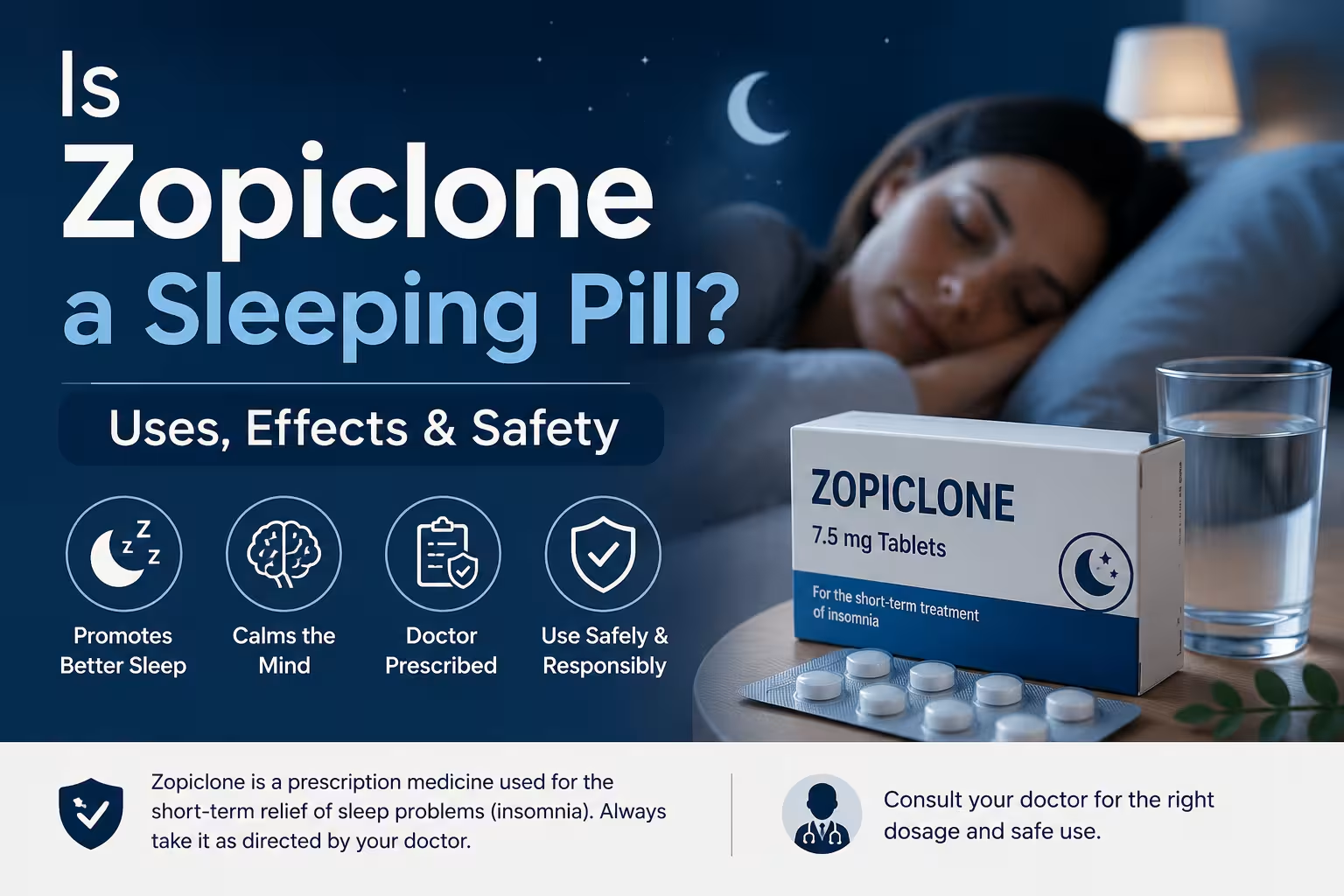
If you are prescribed medicine for insomnia, you may wonder if zopiclone is a sleeping pill? Yes, zopiclone is a prescription sleeping medicine (hypnotic medicine) used to manage sleep problems for a short period. It makes it easier to fall asleep and reduces waking during the night.
It may affect the brain and cause drowsiness, impaired coordination, and dependence when used inappropriately. Learn more about the complete guide to zopiclone, its uses, safety, dosage, and other information on our website.
What does “sleeping pill” mean?
A sleeping pill is a medicine that helps a person to fall asleep, remain asleep, or both. Doctors may call these medicines hypnotics because they improve sleep. Zopiclone is used for short-term treatment of insomnia, including
- Waking repeatedly during the night
- Difficulty falling asleep at bedtime
- Waking too early and unable to return to sleep
- Temporary sleep disruption due to stress, illness, travel or change in routine
It is not prescribed for occasional mild sleep loss, such as a bad night before an exam, an early flight, or an exciting event. Short-term sleep disruption can improve without medication once the person returns to their normal routine.
Is Zopiclone a sleeping pill?
Yes, zopiclone is a sedative-hypnotic sleeping pill. Its use is to help people fall asleep faster and stay asleep through the night. It is prescribed for insomnia, not for anxiety, pain, or other health conditions. It makes this medicine different from other medications that are used off-label for sleep. You can understand zopiclone uses with benefits, dosage, and side effects in detail from our guide.
How Zopiclone Affects Sleep?
Our sleep is made up of sleep cycles that last for around 90 minutes and repeat several times throughout the night. During each cycle, we go through the different stages of sleep that are called N1, N2, N3, and rapid eye movement sleep (REM). When we fall asleep, we enter N1 and then pass through N2 and N3 and then into REM. The cycle starts again at N1.
Zopiclone has been found to prolong stage N2 and N3 sleep with a reduction in total REM sleep. As per research, it can reduce stage N1 sleep. Understand the medicine’s action in more detail by reading our guide on how zopiclone affects the brain.
Its effect on N3 sleep, called deep or slow-wave sleep, is less clear. Older studies classified deep sleep as stages 3 and 4, whereas the current sleep-scoring guidelines combine these into N3. Some research found that zopiclone may increase slow-wave sleep, while other studies found little change or a decrease. So, it is more accurate to say that its effect on N3 sleep can vary.
Zopiclone may delay the first REM-sleep period. However, the evidence does not show that it reduces the total amount of REM sleep over the night.
Why Is It Prescribed Only Short-Term?
Because zopiclone acts on brain sedative pathways, the body may still develop tolerance to it. This means that the same dose may be less effective over time. Long-term use also increases the risk of dependence and withdrawal symptoms if stopped abruptly.
Most prescribing guidelines recommend limiting use to a few weeks; use it for short-term or situational insomnia instead of chronic sleep situations.
How Zopiclone Compares to Other Sleep Aids
Zopiclone is a medicine used for insomnia, but it is not the best option for every sleep problem. The right dosage depends on the type of insomnia, age, medical history, other medicines, risks of falls or dependence, and whether the sleep problem is ongoing or short-term.
Non-drug approaches, especially cognitive behavioural therapy for insomnia (CBT-I) and sleep-habit changes, are important for persistent insomnia.
| Option | Type | Main use |
| Zopiclone | Z-drug | Short-term insomnia |
| Zolpidem | Z-drug | Difficulty falling asleep |
| Temazepam | Benzodiazepine | Short-term insomnia |
| Melatonin | Sleep-timing hormone | Sleep-wake regulation |
| CBT-I | Non-medication therapy | Long-term insomnia |
Conclusion
So, is zopiclone a sleeping pill? Yes, it is a hypnotic medicine used for short-term treatment of insomnia. It works by improving the calming effects of GABA in the brain and producing sleepiness, making staying or falling asleep easier. Because zopiclone can cause impaired alertness, drowsiness, and dependence, it must be used only as directed by a healthcare doctor. You should understand its purpose and limitations before getting a prescription for sleeping medicine.
Last Reviewed: 2nd September 2026
Next Review Due: September 2027